
The Era of Corporate Homogenization
For the better part of the last decade, the world of branding has been gripped by a phenomenon often referred to as ‘blanding.’ In an effort to appear modern, scalable, and digitally native, a staggering number of companies—from high-fashion houses to Silicon Valley startups—abandoned their unique visual quirks in favor of a sanitized, minimalist aesthetic. The result? A sea of sans-serif fonts, neutral color palettes, and a distinct lack of soul. While this movement prioritized clarity and ease of use on mobile screens, it inadvertently sacrificed something far more valuable: the power of human imagination.
As we move further into a decade defined by rapid technological shifts and an increasingly crowded digital landscape, the limitations of this ‘safe’ approach are becoming apparent. Consumers are no longer just looking for a functional service; they are seeking a narrative they can belong to. For businesses standing at the crossroads of a brand refresh, the most strategic move isn’t another round of simplification. Instead, it is the courageous decision to embrace imagination as a core branding pillar.
Why Imagination Is the New Competitive Advantage
In a marketplace where AI-generated content and templated designs are ubiquitous, true imagination has become a rare and premium commodity. Imagination is the bridge between a company’s functional utility and its emotional resonance. When a brand dares to be imaginative, it signals to its audience that there is a human heart behind the logo—a creative force that values expression over mere efficiency.
A brand refresh that prioritizes imagination doesn’t just change the look of a company; it changes the way the company is felt. By moving away from the predictable, businesses can unlock deeper levels of engagement. This shift is less about ‘decorating’ and more about ‘revealing’ the underlying story that makes a brand unique. As we have observed in the evolving landscape of visual storytelling, the brands that endure are those that offer a world for their customers to inhabit, rather than just a product to buy.
Breaking the ‘Bland’ Barrier
The fear that often prevents companies from being truly imaginative is the fear of being misunderstood. However, in the current economic climate, the greater risk is being ignored. A ‘safe’ brand is often a forgettable one. To break through the noise, a refresh must tap into what makes the brand’s perspective distinct. This involves a willingness to embrace imperfection, hand-drawn elements, or unconventional color stories that evoke specific moods and memories.
The Core Elements of an Imaginative Brand Refresh
Injecting imagination into a brand requires more than just a new coat of paint. It requires a holistic rethink of how the brand communicates its values through visual and narrative cues. Here are the key elements to consider during an imaginative overhaul:
- Narrative Complexity: Move beyond the elevator pitch. What is the mythology of your brand? Every refresh should aim to tell a deeper story that evolves over time.
- Visual Texture: In a world of flat vectors, texture provides a sense of tangibility. Incorporating artistic elements—whether through digital art, illustration, or unique typography—adds a layer of craftsmanship.
- Emotional Color Theory: Instead of choosing colors based on industry trends, choose them based on the emotional response you want to elicit. Imagination thrives on the unexpected.
- Human-Centric Design: Design for the person, not the persona. This means creating visuals that invite curiosity rather than just directing traffic.
The Intersection of Digital Art and Human Touch
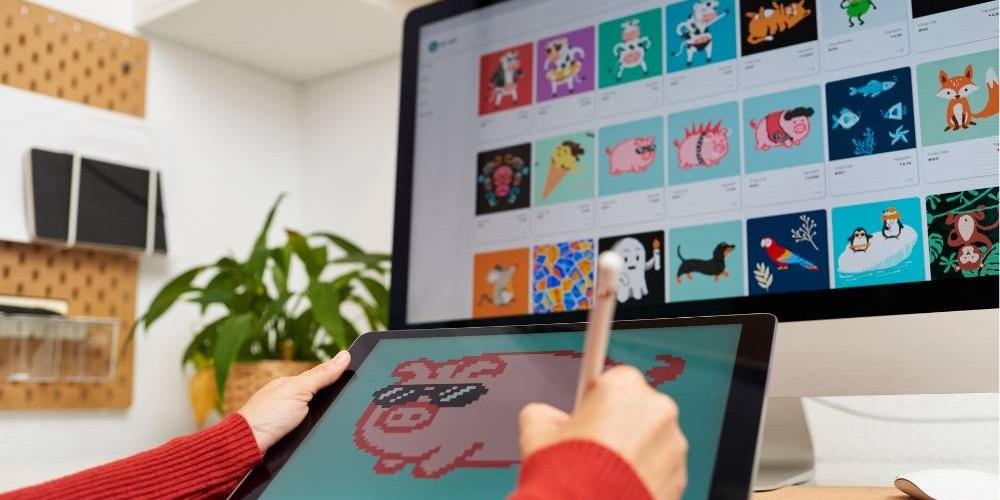
We are currently witnessing a fascinating intersection where digital art is transforming modern creative expression. Technology is no longer a constraint that forces us into rigid boxes; it is a tool that allows for unprecedented levels of imaginative detail. From immersive brand environments to dynamic, evolving logos, the tools at our disposal are more than capable of supporting a brand’s wildest creative ambitions.
The key to a successful refresh lies in using these digital tools to amplify the human touch, not replace it. When a brand embraces imagination, it invites the audience to use their own imagination. It creates a dialogue. This is the essence of modern branding: it is no longer a monologue delivered from a corporate headquarters, but a shared experience between creator and community.
The Strategic Value of Evolving Your Brand
As we have explored in our discussions on finding the courage to let a brand evolve, a refresh is a sign of health, not a sign of failure. It is an acknowledgment that the brand is alive and responsive to the world around it. When imagination is at the center of this evolution, the brand becomes more resilient. It is no longer tied to the fleeting trends of the day but is anchored in the timeless power of visual storytelling.
Ultimately, a brand refresh that embraces imagination is an investment in the brand’s future longevity. It creates a moat around the business that cannot be easily replicated by competitors or automated by algorithms. By celebrating expression and storytelling, companies can build an identity that doesn’t just sit on a screen, but lives in the hearts and minds of their audience.
Final Thoughts: The Future of Identity
The future of branding belongs to the dreamers, the storytellers, and those brave enough to step outside the lines of conventional design. As you consider the next chapter for your brand, ask yourself: Does this refresh reflect our capacity for imagination? If the answer is no, it may be time to look deeper. The most powerful brands aren’t the ones that fit in—they are the ones that dare to imagine a world that doesn’t exist yet, and then invite us to join them there.
Related Posts
How to write brand messaging that finally sounds like you
Tired of boring brand voice? Learn how…
Why real brand storytelling goes much deeper than just a logo
Discover why a logo is just the…